

Internal structure of a Manual pipeline strainer
2026-05-30Traffic:
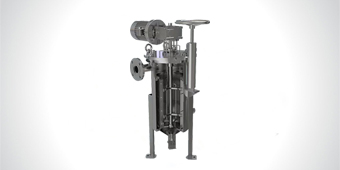
Manual pipeline strainer is a commonly used filtration equipment with large dirt capacity and small resistance loss. It can effectively filter out large impurities and suspended matter in the liquid and protect downstream equipment and pipelines from pollution.
The internal structure of the Manual pipeline strainers mainly includes the following core components!
1. Cylinder: The cylinder of the Manual pipeline strainer is usually made of metal plate or seamless tube, and the material of the shell can be selected according to the use environment and requirements, such as carbon steel or stainless steel. The inner and outer surfaces of the shell are usually sandblasted or polished. The shell is equipped with inlets and outlets, which are used for the entry and discharge of fluids respectively.
2. Filter basket: Filter basket is the core component of the Manual pipeline strainer, which is made of stainless steel mesh, perforated plate or other filter materials. Its aperture size can be customized according to needs to intercept solid particles with different particle sizes.
3. Import and export flanges: installed at both ends of the filter, coordinated with the takeover and bolted, used for connection and sealing with other equipment or pipe flanges.
4. Top cover: the removable part is covered on the top of the filter blue, which is convenient for cleaning up and replacing the impurities in the filter blue.
5. Sewage outlet: an opening located at the bottom or side of the filter, designed with a ball valve or plug, which is used to discharge the liquid accumulated in the cylinder during cleaning or slag discharge.
6. Fasteners: including bolts, nuts and other fixings, which are used to assemble the entire filter and ensure the tightness between each component,
7. Pressure gauge and exhaust valve: The Manual pipeline strainer is also equipped with a pressure gauge and an exhaust valve. The pressure gauge is used to monitor the pressure difference before and after the filter to determine whether the filter basket needs to be cleaned or replaced. The exhaust valve excludes the air in the cylinder when the Manual pipeline strainer is running. When cleaning the net basket, the pressure of the cylinder is released.
8. Sealing ring: In order to ensure the sealing performance of the filter, the material and shape of the sealing ring are selected according to the specific usage requirements. For special types of Manual pipeline strainers, it may also include other additional functional components, such as insulation jackets (used to maintain or cool the filter medium)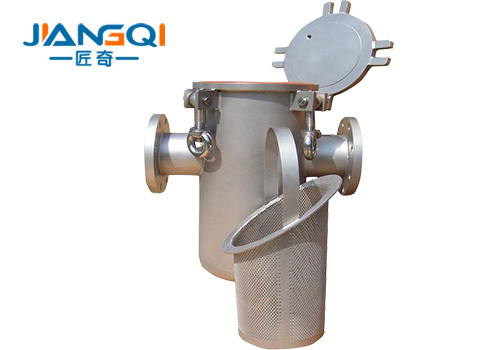 Manual pipeline strainer is a commonly used filtration equipment with large dirt capacity and small resistance loss. It can effectively filter out large impurities and suspended matter in the liquid and protect downstream equipment and pipelines from pollution.
The internal structure of the Manual pipeline strainer mainly includes the following core components!
1. Cylinder: The cylinder of the Manual pipeline strainer is usually made of metal plate or seamless tube, and the material of the shell can be selected according to the use environment and requirements, such as carbon steel or stainless steel. The inner and outer surfaces of the shell are usually sandblasted or polished. The shell is equipped with inlets and outlets, which are used for the entry and discharge of fluids respectively.
2. Filter basket: Filter basket is the core component of the Manual pipeline strainer, which is made of stainless steel mesh, perforated plate or other filter materials. Its aperture size can be customized according to needs to intercept solid particles with different particle sizes.
3. Import and export flanges: installed at both ends of the filter, coordinated with the takeover and bolted, used for connection and sealing with other equipment or pipe flanges.
4. Top cover: the removable part is covered on the top of the filter blue, which is convenient for cleaning up and replacing the impurities in the filter blue.
5. Sewage outlet: an opening located at the bottom or side of the filter, designed with a ball valve or plug, which is used to discharge the liquid accumulated in the cylinder during cleaning or slag discharge.
6. Fasteners: including bolts, nuts and other fixings, which are used to assemble the entire filter and ensure the tightness between each component,
7. Pressure gauge and exhaust valve: The Manual pipeline strainers is also equipped with a pressure gauge and an exhaust valve. The pressure gauge is used to monitor the pressure difference before and after the filter to determine whether the filter basket needs to be cleaned or replaced. The exhaust valve excludes the air in the cylinder when the Manual pipeline strainer is running. When cleaning the net basket, the pressure of the cylinder is released.
8. Sealing ring: In order to ensure the sealing performance of the filter, the material and shape of the sealing ring are selected according to the specific usage requirements. For special types of Manual pipeline strainers, it may also include other additional functional components, such as insulation jackets (used to maintain or cool the filter medium)
The internal structure of the Manual pipeline strainers mainly includes the following core components!
1. Cylinder: The cylinder of the Manual pipeline strainer is usually made of metal plate or seamless tube, and the material of the shell can be selected according to the use environment and requirements, such as carbon steel or stainless steel. The inner and outer surfaces of the shell are usually sandblasted or polished. The shell is equipped with inlets and outlets, which are used for the entry and discharge of fluids respectively.
2. Filter basket: Filter basket is the core component of the Manual pipeline strainer, which is made of stainless steel mesh, perforated plate or other filter materials. Its aperture size can be customized according to needs to intercept solid particles with different particle sizes.
3. Import and export flanges: installed at both ends of the filter, coordinated with the takeover and bolted, used for connection and sealing with other equipment or pipe flanges.
4. Top cover: the removable part is covered on the top of the filter blue, which is convenient for cleaning up and replacing the impurities in the filter blue.
5. Sewage outlet: an opening located at the bottom or side of the filter, designed with a ball valve or plug, which is used to discharge the liquid accumulated in the cylinder during cleaning or slag discharge.
6. Fasteners: including bolts, nuts and other fixings, which are used to assemble the entire filter and ensure the tightness between each component,
7. Pressure gauge and exhaust valve: The Manual pipeline strainer is also equipped with a pressure gauge and an exhaust valve. The pressure gauge is used to monitor the pressure difference before and after the filter to determine whether the filter basket needs to be cleaned or replaced. The exhaust valve excludes the air in the cylinder when the Manual pipeline strainer is running. When cleaning the net basket, the pressure of the cylinder is released.
8. Sealing ring: In order to ensure the sealing performance of the filter, the material and shape of the sealing ring are selected according to the specific usage requirements. For special types of Manual pipeline strainers, it may also include other additional functional components, such as insulation jackets (used to maintain or cool the filter medium)
The internal structure of the Manual pipeline strainer mainly includes the following core components!
1. Cylinder: The cylinder of the Manual pipeline strainer is usually made of metal plate or seamless tube, and the material of the shell can be selected according to the use environment and requirements, such as carbon steel or stainless steel. The inner and outer surfaces of the shell are usually sandblasted or polished. The shell is equipped with inlets and outlets, which are used for the entry and discharge of fluids respectively.
2. Filter basket: Filter basket is the core component of the Manual pipeline strainer, which is made of stainless steel mesh, perforated plate or other filter materials. Its aperture size can be customized according to needs to intercept solid particles with different particle sizes.
3. Import and export flanges: installed at both ends of the filter, coordinated with the takeover and bolted, used for connection and sealing with other equipment or pipe flanges.
4. Top cover: the removable part is covered on the top of the filter blue, which is convenient for cleaning up and replacing the impurities in the filter blue.
5. Sewage outlet: an opening located at the bottom or side of the filter, designed with a ball valve or plug, which is used to discharge the liquid accumulated in the cylinder during cleaning or slag discharge.
6. Fasteners: including bolts, nuts and other fixings, which are used to assemble the entire filter and ensure the tightness between each component,
7. Pressure gauge and exhaust valve: The Manual pipeline strainers is also equipped with a pressure gauge and an exhaust valve. The pressure gauge is used to monitor the pressure difference before and after the filter to determine whether the filter basket needs to be cleaned or replaced. The exhaust valve excludes the air in the cylinder when the Manual pipeline strainer is running. When cleaning the net basket, the pressure of the cylinder is released.
8. Sealing ring: In order to ensure the sealing performance of the filter, the material and shape of the sealing ring are selected according to the specific usage requirements. For special types of Manual pipeline strainers, it may also include other additional functional components, such as insulation jackets (used to maintain or cool the filter medium)
Previous: The selection criteria for Manual pipeline strainers
Nextpage: Steps for replacing the Security filter element