

Installation method of Manual pipeline strainer
2026-05-29Traffic:
The installation method of the Manual pipeline strainer usually follows the following steps
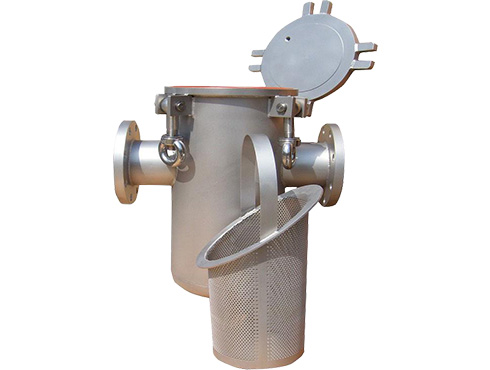
Installation location selection: According to the system design and fluid flow, select the appropriate position to install the Manual pipeline strainer, usually installed before the equipment that needs protection (such as pumps, compressors, valves, etc.) to ensure that all fluids entering the downstream equipment are filtered.
Horizontal installation: Manual pipeline strainers are usually recommended to be installed horizontally on the pipeline to ensure that the direction of the inlet and outlet is consistent with the direction of the head on the valve body, which is to ensure that the fluid passes through the filter along the correct path.
Connecting pipes: Use flanges or other suitable connection methods to connect the filter to the upstream and downstream pipes to ensure that there is no leakage at the connection and is well sealed.
Check the valve: Make sure that there are enough valves and bypasses at the inlet and outlet ends of the filter so that the filter can be isolated during maintenance without affecting the operation of the whole system.
Preliminary inspection: Before connecting the pipe, confirm that the filter basket inside the filter has been installed correctly and there is no omission or damage.
Fixed support: For large or high-pressure Manual pipeline strainers, additional brackets or hangers may be required for stable support to ensure that they will not shift due to gravity or vibration during operation.
Exhaust and test pressure: After installation, before opening the valves on both sides of the filter, the pipeline system should be emptied and tested to ensure that there is no air or other impurities residue, and the sealing performance of the entire pipe connection should be checked.
Enable the filter: open the import and export valve of the filter, start the system, monitor the working status of the filter and the pressure drop of the system. If there is any abnormality, it should be adjusted or stopped in time for inspection.
Regular maintenance: Set a regular maintenance plan, clean up or replace the filter in time according to the system operation, and ensure the filtration effect.
During the installation process, please pay attention to the following matters:
Before installation, it should be ensured that there are no impurities in the pipe to avoid damaging the filter or filter basket inside the filter.
During installation, excessive installation force or impact force should be avoided to avoid damaging the filter or pipe.
The filter should be cleaned and maintained regularly after installation to ensure its filtration efficiency and lifespan. When cleaning, please pay special attention to avoiding damage to the stainless steel wire mesh on the filter basket.
Installation location selection: According to the system design and fluid flow, select the appropriate position to install the Manual pipeline strainer, usually installed before the equipment that needs protection (such as pumps, compressors, valves, etc.) to ensure that all fluids entering the downstream equipment are filtered.
Horizontal installation: Manual pipeline strainers are usually recommended to be installed horizontally on the pipeline to ensure that the direction of the inlet and outlet is consistent with the direction of the head on the valve body, which is to ensure that the fluid passes through the filter along the correct path.
Connecting pipes: Use flanges or other suitable connection methods to connect the filter to the upstream and downstream pipes to ensure that there is no leakage at the connection and is well sealed.
Check the valve: Make sure that there are enough valves and bypasses at the inlet and outlet ends of the filter so that the filter can be isolated during maintenance without affecting the operation of the whole system.
Preliminary inspection: Before connecting the pipe, confirm that the filter basket inside the filter has been installed correctly and there is no omission or damage.
Fixed support: For large or high-pressure Manual pipeline strainers, additional brackets or hangers may be required for stable support to ensure that they will not shift due to gravity or vibration during operation.
Exhaust and test pressure: After installation, before opening the valves on both sides of the filter, the pipeline system should be emptied and tested to ensure that there is no air or other impurities residue, and the sealing performance of the entire pipe connection should be checked.
Enable the filter: open the import and export valve of the filter, start the system, monitor the working status of the filter and the pressure drop of the system. If there is any abnormality, it should be adjusted or stopped in time for inspection.
Regular maintenance: Set a regular maintenance plan, clean up or replace the filter in time according to the system operation, and ensure the filtration effect.
During the installation process, please pay attention to the following matters:
Before installation, it should be ensured that there are no impurities in the pipe to avoid damaging the filter or filter basket inside the filter.
During installation, excessive installation force or impact force should be avoided to avoid damaging the filter or pipe.
The filter should be cleaned and maintained regularly after installation to ensure its filtration efficiency and lifespan. When cleaning, please pay special attention to avoiding damage to the stainless steel wire mesh on the filter basket.